Endometriosis

View all articles in this category below…

Making Menstrual Health Matter in Wales – Hustings Recap

In partnership with Endometriosis UK, and supported by Cysters, International Association of Premenstrual Disorders (IAPMD) UK, Menstrual Health Coalition, Royal College of Obstetricians and Gynaecologists, Swansea and Bridgend Endometriosis Support, The South Wales Menopause Community, and the University of the West of Scotland, FTWW was pleased to host a lively online hustings on ‘Making Menstrual Health Matter in Wales’ ahead of the Senedd elections next month.

FTWW x Period Dignity

FTWW x Period Dignity

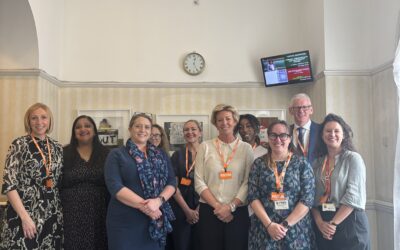
We have been delivering more training on Period Dignity, covering the topics of menstrual health and wellbeing, period poverty, menopause, and the impact on education and employment. We were also delighted to deliver a ‘Lunch and Learn’ session with Welsh Government colleagues across all policy areas to share findings from the recently-concluded ‘SPPINN (Severe Period Pain Is Not Normal) Study.

FTWW Presents at RCOG Wales Annual Conference

FTWW Presents at RCOG Wales Annual Conference

We were thrilled to be invited to the Royal College of Obstetricians and Gynaecologists (RCOG) Wales Annual Conference with around 100 obstetricians and gynaecologists across Wales on 7th November, to present alongside Cardiff University’s Dr Robyn Jackowich and Rachel Joseph on projects and activities relevant to delivery of gynaecology services in Wales.

Endometriosis Cymru – RAISE Study

Endometriosis Cymru – RAISE Study

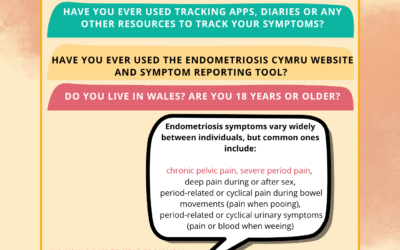
Researchers at Cardiff and Bangor University, (including FTWW Volunteer Endometriosis Champion, Rachel!) want to find out what works (or doesn’t!) in using tracking apps/diaries, specifically the Endometriosis Cymru Symptom Reporting Tool.

The Menstrual Leave Petition: Our View

The Menstrual Leave Petition: Our View

As part of BBC Radio Wales’ coverage of the petition to UK Parliament calling for statutory menstrual leave for people with endometriosis and adenomyosis, FTWW Engagement Coordinator, Dee, spoke to BBC Radio Wales about the importance of ensuring that disabled and chronically ill women and people registered female at birth – and their employers – are aware of existing legislation that can protect their employment rights and help them thrive in the workplace.

en_GBEnglish (UK)