
15 practical self-advocacy tips
This page is section 4 of 5 of FTWW’s My Voice Counts Self-Advocacy Toolkit.
With our community, we’ve developed 15 tips to help you better advocate for yourself and get the support and care you need:
1. Seek out support from allies
Whether that’s a trusted family-member or friend, or from peer-support groups where there are others with the same health issues. Support from peers can help to validate your experience, provide solidarity, and enable you to become more confident. Find out more about joining FTWW’s community.
2. Prepare for healthcare appointments by making clear notes
Make sure you write down your priority symptoms, issues or questions in advance to help guide your conversation. Most GP appointments will last around 10 minutes, so practise keeping these lists clear and concise.

Top tip
If you’re feeling anxious whilst in the doctor’s waiting room, consider using the Grounding 5-4-3-2-1 technique to help calm your nerves. You can watch FTWW’s demonstration here:
3. Use evidence and guidance from trusted sources
When you are making notes, you can also include key points and recommendations from trusted sources including the National Institute for Health and Care Excellence, usually known as NICE. NICE produces guidance for the NHS and wider health and care system which healthcare services and professionals are normally expected to follow.
4. Book a double appointment
If your appointment is in general practice and you think you might need a little bit longer to discuss things, ask if it is possible to book a double appointment when you make contact with the practice.
5. Focus on around three priorities once you’re in the doctor’s office
If you say at the start of your appointment that you have three things you need to discuss, you can work out what the top priority is together. Sometimes, you might manage to get through all three, especially if they are connected, but other times, you might only have enough time to look at one in detail.
Top tip
The human brain will tend to treat the first piece of information presented as the most important, so lead with that rather than leaving it until the end.
6. Provide specific details about your symptoms
If you’re looking to discuss symptoms, it can be helpful to include when they happen, such as dates, times, or any ‘triggers’ that might have caused them or made them worse, and how long they lasted.
Symptom trackers can be a useful way for you to keep an eye on symptoms and when they occur or are at their worst. You might use apps on your phone for this – or you can also use a paper diary or calendar.
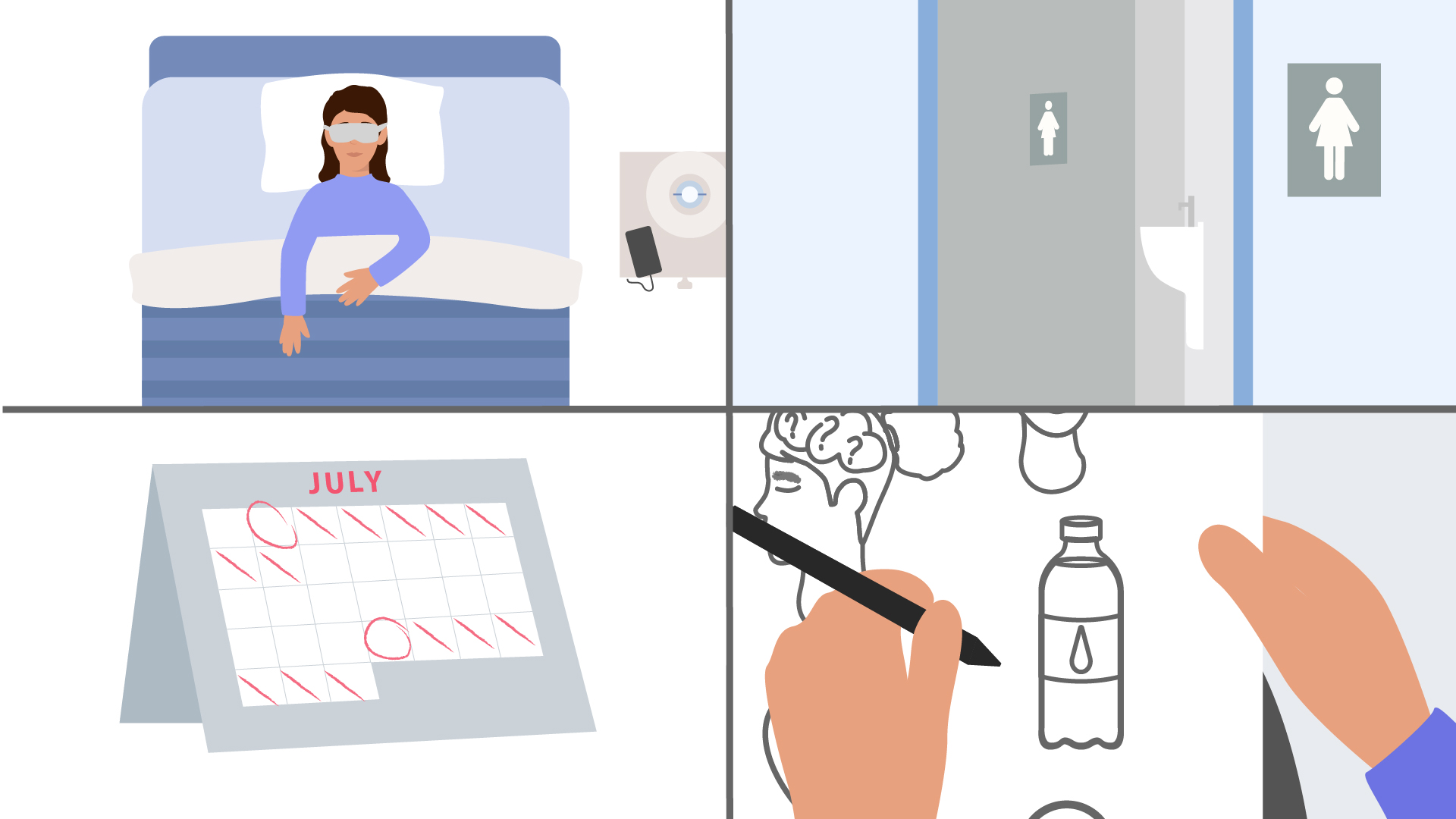
Top tip
FTWW has helped to coproduce a symptom reporting tool for endometriosis, called ‘Estr’ which you might find useful if you suspect this condition.
7. Explain how symptoms are impacting your life
When discussing symptoms, it can be easier for other people to understand their seriousness if you focus on how they impact aspects of your daily life. For example, does a particular pain stop you exercising, make it harder to breathe, or cause you to wake up from sleep? If a symptom has stopped you going to work, you could say how many times this has happened in a certain period of time.
8. Make sure you are clear about what you want from your appointment
Alongside your list of top issues or priorities, write down exactly what you want to come out of the appointment, so you can keep referring back to this, such as a particular investigation, treatment, or a referral.

9. Bring along a loved one, close friend or advocate
Remember it’s OK to take someone with you if you feel you need support to express yourself and your needs.
Have a preparatory conversation with them before the appointment and share your notes, so that they know and understand your experiences, priorities, and goals. It’s important that they appreciate what’s important to you, and don’t ask questions that you haven’t agreed with them beforehand.
Top tip
Signpost your family member, friend, or advocate to our ‘Supporting Others and Helping them Cope’ advice page
10. Know your rights as a patient
This includes the right to information, informed consent, and the right to refuse a course of action or treatment.
11. Get a second opinion
In Wales, you should not be refused a second opinion, so if you feel you would benefit from talking to a different healthcare professional, you can ask for this. If you’re being seen in general practice, there might be someone more specialised in your particular health issues or needs, such as a GP specialising in ‘women’s health’, so don’t be afraid to suggest this.
Top tip
If you feel your GP and you might benefit from more specialised advice about your symptoms or next steps, you can ask them if they are able to use ‘e-consult’. This is an online platform that enables healthcare professionals in primary care to seek advice and guidance from secondary care consultants in their area.
12. Ask for more information or services
If you feel you might benefit from other sources of support whilst waiting for next steps in your healthcare journey, you can ask to be signposted to additional information, services or organisations.
Top tip
If your GP is unsure what patient information, services, and support are available in your locality, you can ask them to look at their ‘Community Health Pathways’ website, to which all GP practices in Wales have access. This should give them links to relevant support outside of the practice.
13. Be clear about next steps
End the appointment by clarifying next steps and dates by which you should expect to hear something, such as receiving a referral letter.
If necessary, you can ask to have these written down or write them down yourself and have the healthcare professional confirm what you’ve noted.
Top tip
Consider using FTWW’s MY VOICE COUNTS checklist ahead of, during, and after your appointments.
14. Remember to follow up
Always follow up on appointments, tests, and waiting lists if you don’t hear anything within the time-frame expected.
If you feel you’re not getting the answers you need, you can express a concern to the GP Practice Manager, hospital or health board. If you don’t feel confident doing this, there are organisations to support you.
Find out more about how to raise a concern about your healthcare.
15. Schedule in some ‘recovery time’
Whether you go to your appointment alone or with someone else, make sure to allow time afterwards to ‘come down’ from what can often be quite a stressful situation.
It doesn’t matter if the appointment was in a healthcare or employment setting, or somewhere else, discussing personal health issues, their impact, and making important decisions about your life and wellbeing can feel challenging and emotional.
Some people prefer to have time and breathing space to process these feelings before going back over the appointment or reading their notes. Others prefer to check their notes and get them in order before putting them aside for a period of rest and recovery. Whatever works best for you is fine.
FTWW's Self-Advocacy Toolkit
This Toolkit contains information, tips, techniques, and examples to build your self-advocacy skills.
View the Self-Advocacy Toolkit >
 English (UK)
  Cymraeg