
Why are women’s health concerns not always heard?
This page discusses the challenges facing women and people assigned female at birth when it comes to their health, healthcare, and related needs.
This page is section 1 of 5 of FTWW’s My Voice Counts Self-Advocacy Toolkit.
At FTWW, we know that many women and people assigned female at birth report finding it difficult to have their symptoms taken seriously. Sometimes they describe this as feeling like they’re ‘not heard’ when trying to explain the impact of their symptoms on their lives. They report this happening with family and friends, in education settings and workplaces, with healthcare professionals, and decision-makers.
In 2022, NHS Wales conducted a ‘women’s health’ survey which had almost 4000 responses – the top priority for almost all of those responding to the survey was ‘to have their voice heard’ in healthcare settings. Read the NHS Wales ‘Women’s Health Discovery Report’.
Some of the key barriers experienced by our community are described below:
1. Symptoms dismissed as ‘normal’
There is lots of research to show that, sometimes, it can be more difficult for women to be taken seriously because some of the health issues we experience can be considered a ‘normal’ part of life. This is especially the case for menstrual health symptoms, such as period pain or heavy bleeding.
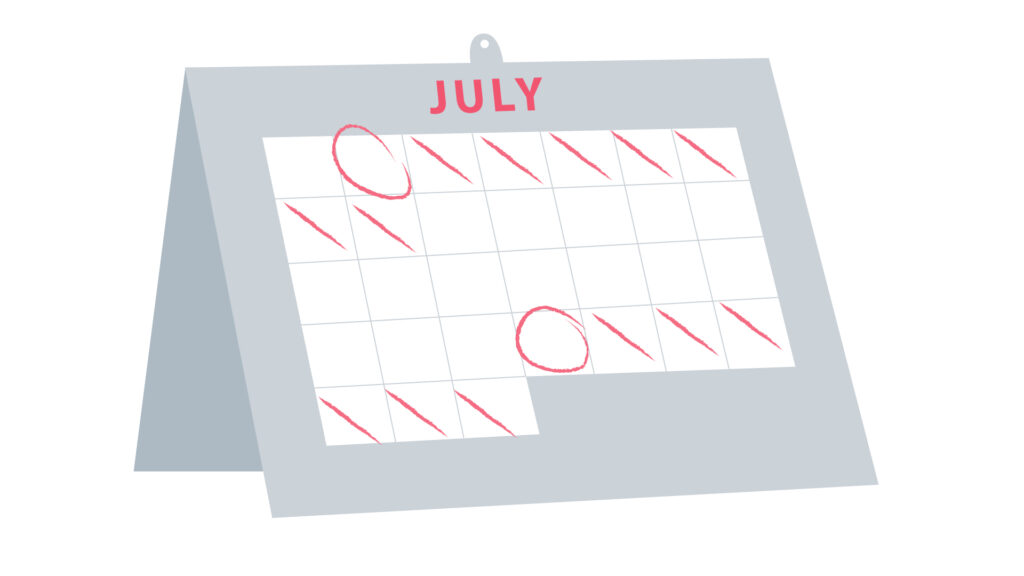
The challenges facing those seeking help for severe period pain have been explored further in the Cardiff University-led SPPINN (Severe Period Pain Is Not Normal) Study in which FTWW participated. Read more about the SPPINN Study on the Cardiff Fertility and Reproductive Research [CFRR] website.
2. Women’s issues are taboo
Another reason why we might delay or find it difficult to seek help for our health issues is because they can sometimes be considered ‘taboo’. This is where people think it isn’t polite or acceptable to talk about particular body parts, symptoms, or feelings. We might also be embarrassed to talk about these kinds of issues.
3. Gender stereotypes affect perceptions
A third reason why many of us can find it more difficult to have symptoms and health issues taken seriously is because of gender stereotypes and biases. This is where old-fashioned ideas and societal views about women and our personalities can affect how other people see and treat us.
For example, women are sometimes described as being ‘over-sensitive’, ‘over-emotional’, ‘attention-seeking’ and not very stoical or brave. These misconceptions can bias other people towards women’s reporting of symptoms so that when we reach out for help, we’re wrongly viewed as making a fuss about nothing. This can make us both reluctant to ask for support and cause delays to our receiving the care we need.
How these barriers affect access to healthcare
We know that experiencing these barriers can make it difficult to seek help from those around us, sometimes including our doctors.
Many FTWW members tell us that they have to try many times to receive the right attention or care they need. They tell us that they feel as though their concerns are dismissed or not actioned. They tell us that they can become exhausted and stressed-out by the process of trying to access services.
However, it’s really important to be aware that if your symptoms are having a negative impact on your life, such as making it difficult to do daily activities, sleep, or concentrate, you should try to secure help and support as soon as possible. This can stop symptoms getting worse and, potentially, prevent the underlying cause getting more difficult to treat. At least, seeking support can be a first step in reducing the impact of symptoms on your life.
I would always encourage others to seek support, and it doesn’t have to be their direct line manager – it can be a trusted colleague.
I would absolutely encourage people to persist in seeking medical help, even when it feels difficult or discouraging. Ask for second or third opinions if needed.
Read Eliza’s account of seeking support from her healthcare providers >
FTWW's Self-Advocacy Toolkit
This Toolkit contains information, tips, techniques, and examples to build your self-advocacy skills.
View the Self-Advocacy Toolkit >
 English (UK)
  Cymraeg